
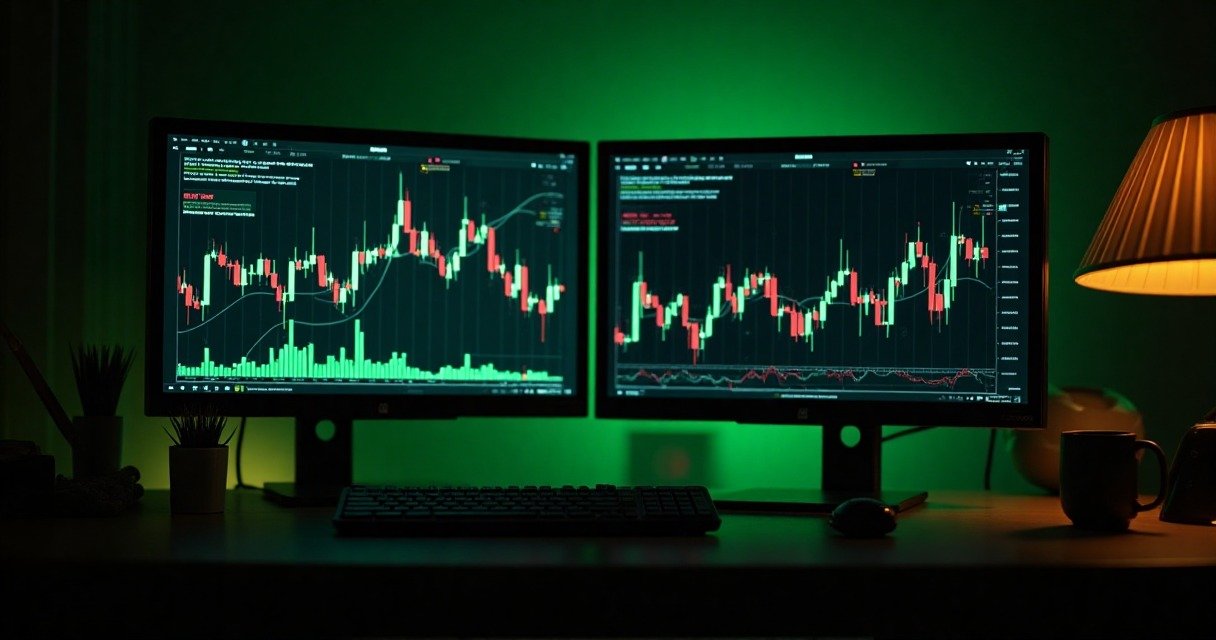
Trading Psychology: How to Control Greed and Fear to Survive the Market
In the Forex market, technical knowledge alone isn't enough to help you survive. What kills most beginner trading accounts isn't bad signals or economic news, but your own emotions. Greed that leads to overtrading, fear that makes you close trades too early, or the desire for revenge that wipes out your account in a single night. This article will help you understand the emotions that destroy accounts and how to control them.
Revenge Trading and Overtrading: Two Deadly Habits That Kill Accounts
Revenge trading is the urge to get back at the market after a loss. You just lost 200 baht and feel angry, wanting to trade immediately to win the money back without any analysis. This leads to risky, impulsive trades, larger lot sizes, and often ends with even bigger losses.
Overtrading is trading too frequently without a valid reason. Sometimes you might feel bored or want to do something, so you open trades even when the market isn't showing clear movement, or you trade based on emotions instead of your plan. These two habits often go hand in hand and can destroy your account quickly.
FOMO and the Fear That Makes You Close Trades Too Early
FOMO, or Fear of Missing Out, is the fear of missing an opportunity. When you see the chart running far in one direction, you might feel the need to jump in immediately without waiting for a good entry, even if you know the price might be near a reversal point. This feeling leads to buying at high prices and often results in losses.
On the other hand, fear also makes you close trades too early with small profits. You might open a trade, see a tiny profit, and rush to close it, even though your original plan was to let the price run further. This fear leads to small gains but large losses, which isn't worth it in the long run.
Setting Personal Rules to Control Emotions
The best way to control emotions is to follow rules you've set in advance before starting to trade. For example, decide that you can only lose 2% of your account per day, or that you must stop trading immediately after three consecutive losses. These rules should be written down and displayed where you can see them clearly.
Another method is keeping a trading journal. Record every trade you make, noting why you entered, your emotional state at the time, and the outcome. This will help you recognize your emotional patterns and improve over time.
Taking Breaks After Consecutive Losses and Building a Routine
When you experience several consecutive losses, the most important thing is to stop and take a break. Don't try to win everything back in a single day. Taking a break for a day or a week allows you to think clearly and reduce emotional reactions.
Building a pre-trading routine is also important. For example, check economic news, review your prepared signals, and assess your emotional state before starting to trade. Having these steps will help you prepare and reduce the chance of trading based on emotions.
Choose a Broker That Helps You Manage Risk
A good broker should provide tools to help manage risk, such as stop loss, clear margin calls, and competitive spreads. XcellaPrime meets these needs with low spreads, comprehensive tools, and excellent support, allowing you to focus fully on your trading.
If you're ready to start trading with discipline and emotional control, Open an account here and begin building your trading routine today.